How we started, and what we've made since
Since 2013 we've run creative projects in art, heritage and the environment, with schools, community groups and community centres.
Started with a loaf of bread
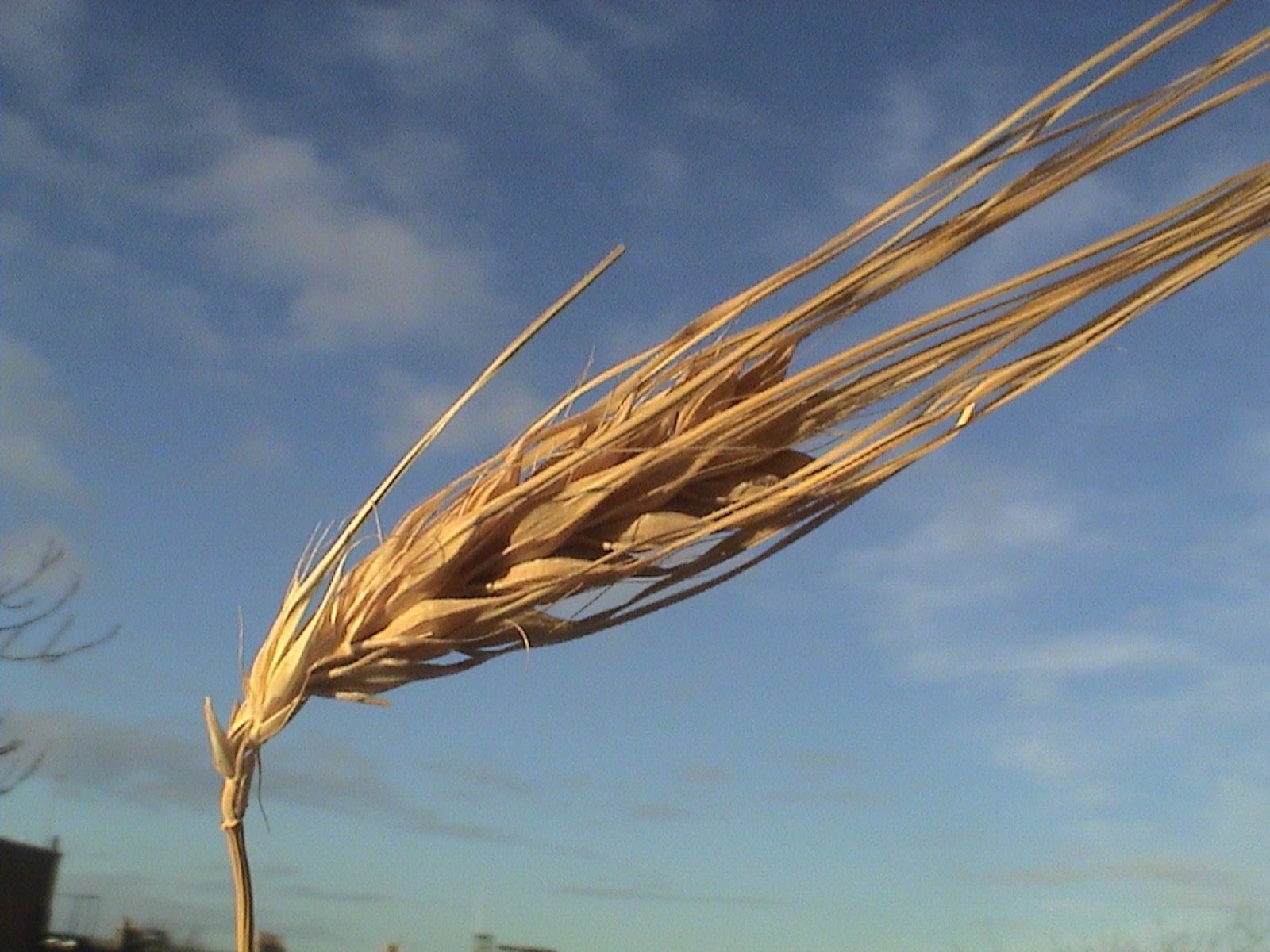
Our first project asked a simple question: how much land do you need to grow a loaf of bread in the Iron Age?
Inspired by the Iron Age farming terraces in Holyrood Park, we grew ancient grains in school grounds, and the children harvested and milled them. The answer was 1.6 square metres.
How a project works
Projects usually start from curiosity about something local, and spiral from there.
- CuriositySomething local we want to know more about.
- ResearchFind out how people did it at the time.
- MaterialsUse the traditional skills, tools and materials of the period.
- MakeMake it together with schools, volunteers and community groups.
- ShareGive the finished piece a home where people can see it.
Our projects so far
-
Iron Age Farming
Inspired by the Iron Age farming terraces in Holyrood Park, we grew ancient grains in school grounds and milled them to find out how much land a loaf of bread needs.
-
Roman Shoes
We recreated almost 50 Roman shoe designs from Vindolanda and the Antonine Wall, then wore them for a march at Hadrian's Wall.
-
Blast from the Past
A project about the prehistoric people of the Bathgate Hills, with a loan box and banners now at Beecraigs Country Park.
-
Mary Queen of Scots Embroidery
We grew flax, made linen and stitched a replica of one of Mary's large embroidery panels. It's now on display in Edinburgh Castle.
-
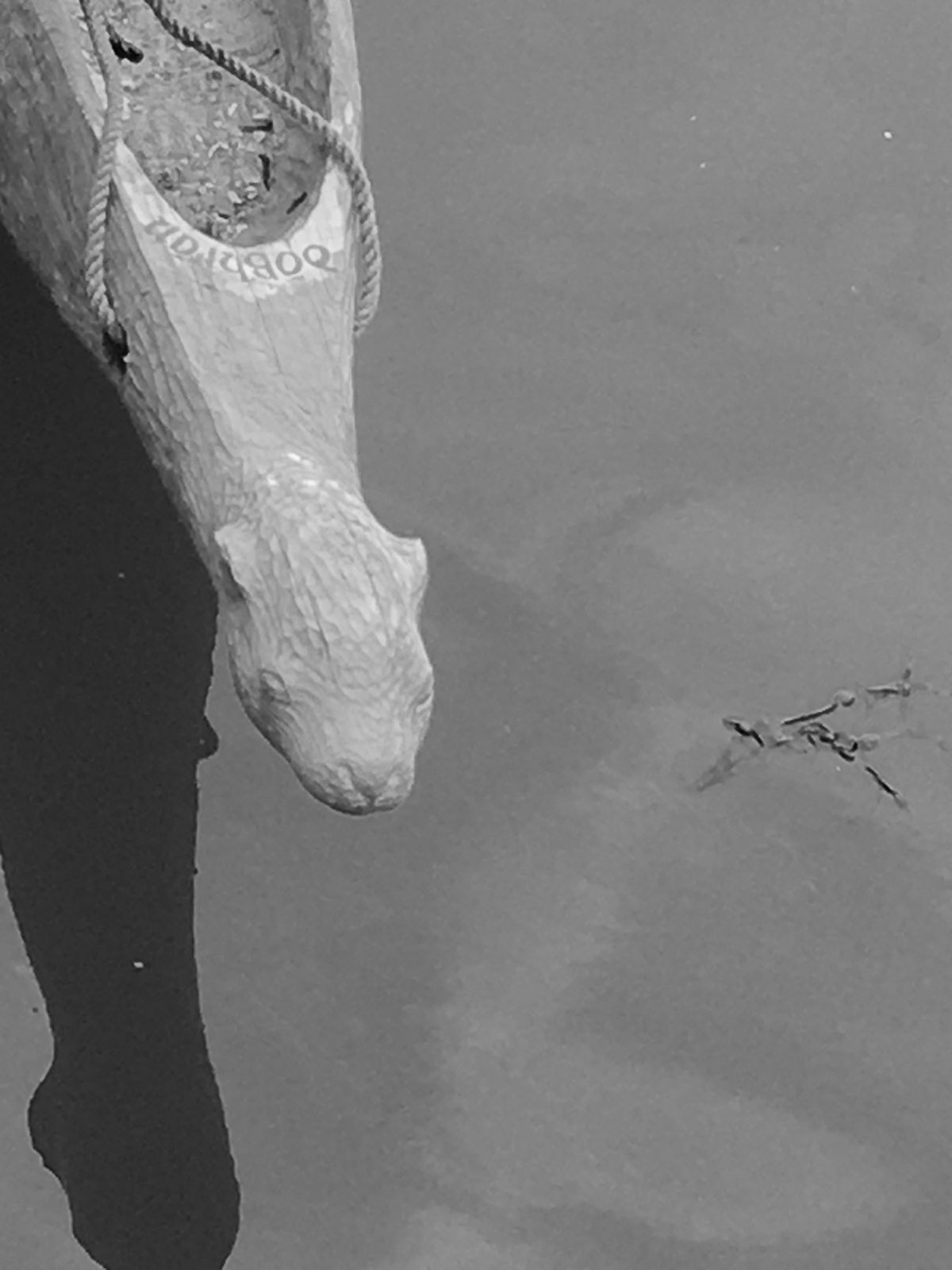
Dòbhran, the Iron Age Logboat
A replica of an Iron Age logboat found at Loch Arthur, carved from a single tree trunk entirely with axes, then paddled across the Forth.
-
The Ancient Woodland Project
Schools learn to survey Edinburgh's 25 ancient woodlands. So far they've recorded 42 veteran trees for the Ancient Woodland Inventory.
What's next
We're taking on the Braidwood Centre, a community centre in Dumbiedykes. And we're fundraising to expand the Ancient Woodland Project.